
An Audacious Turner

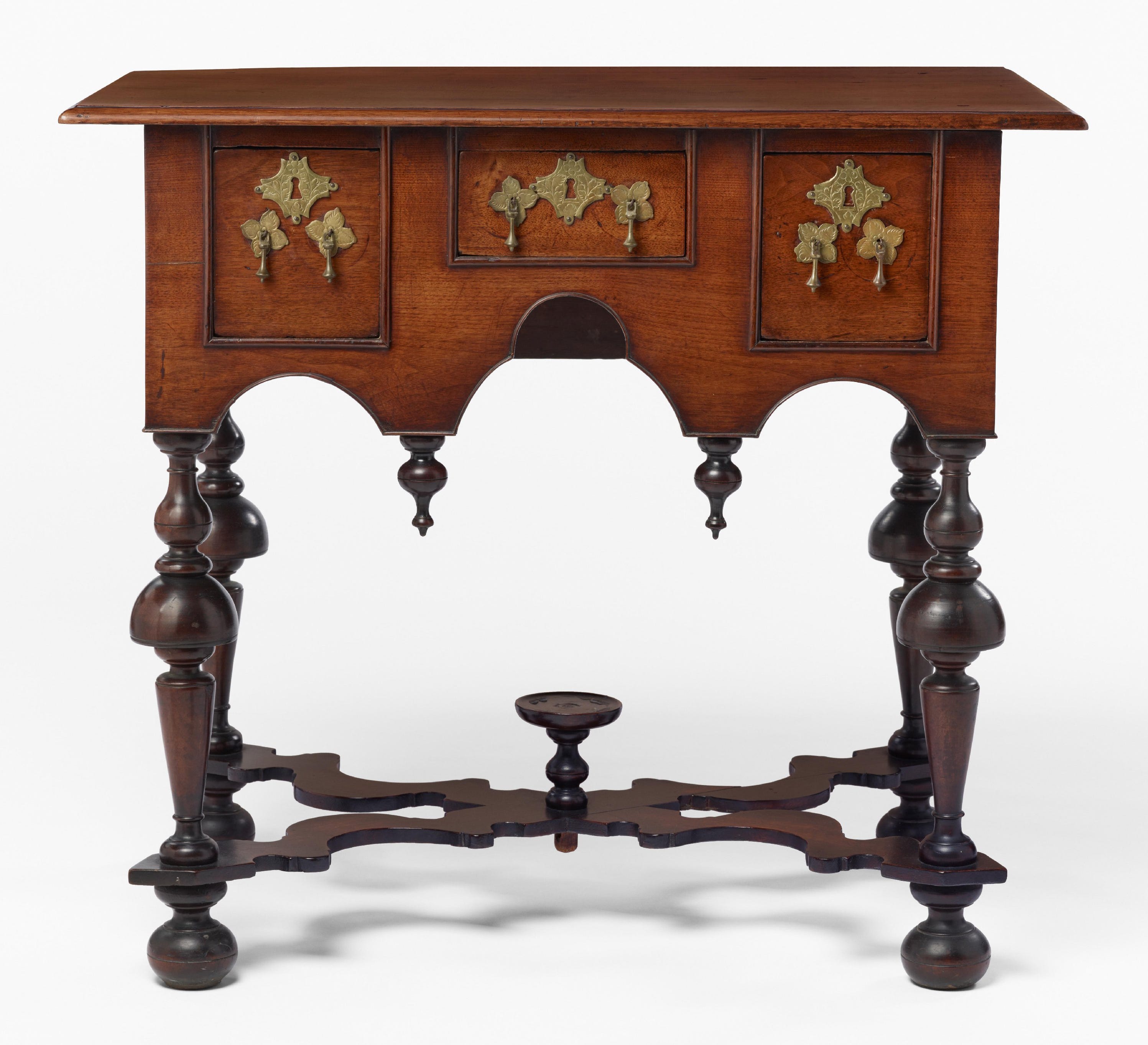
Two dressing tables share characteristics of the high chest discussed in the previous article. One, in walnut, has been in the collection of the Philadelphia Museum of Art since 1925 (fig. 1). A second, in mahogany and red cedar, entered the collection of Chipstone in 2011 (fig.2).
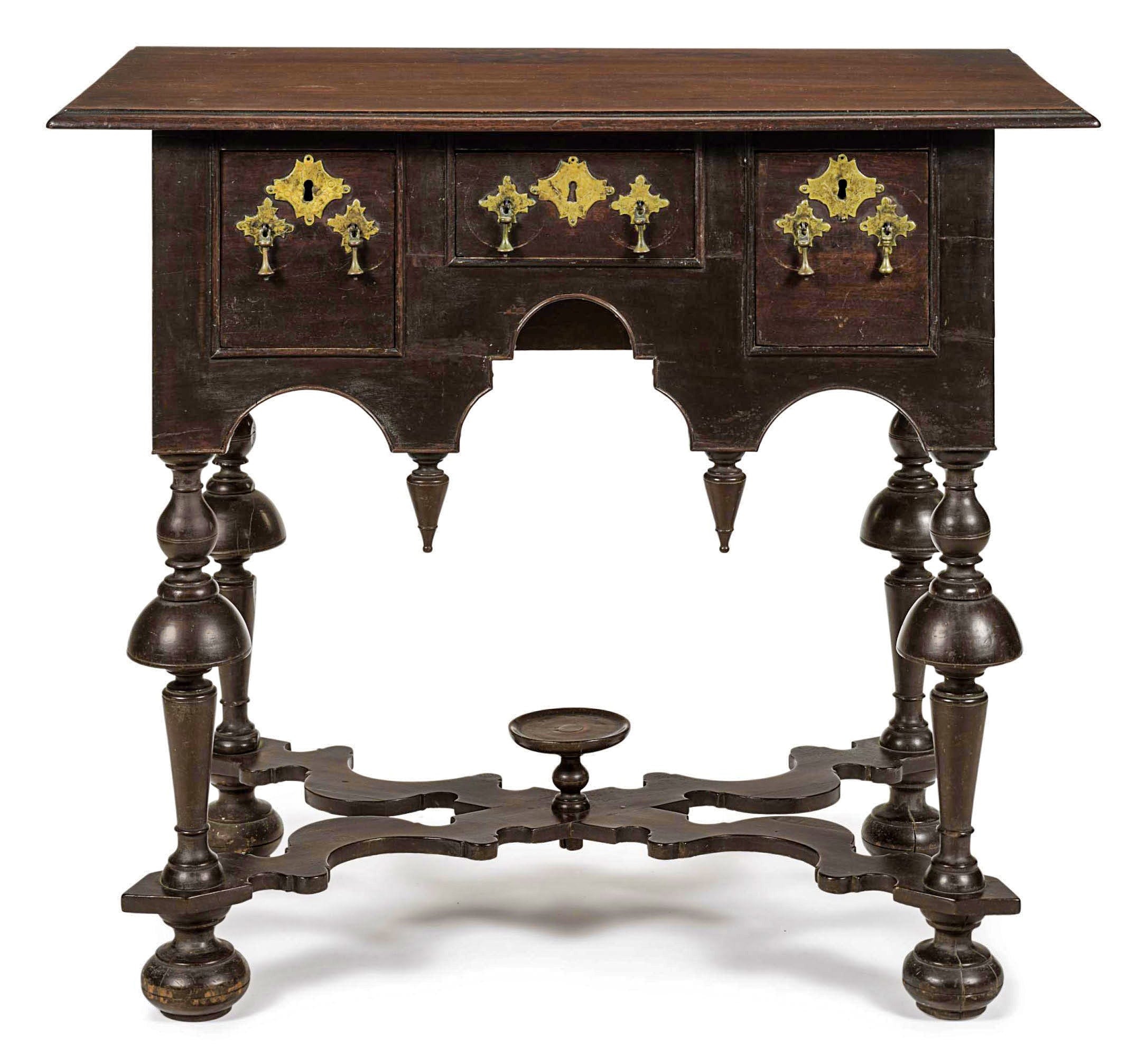
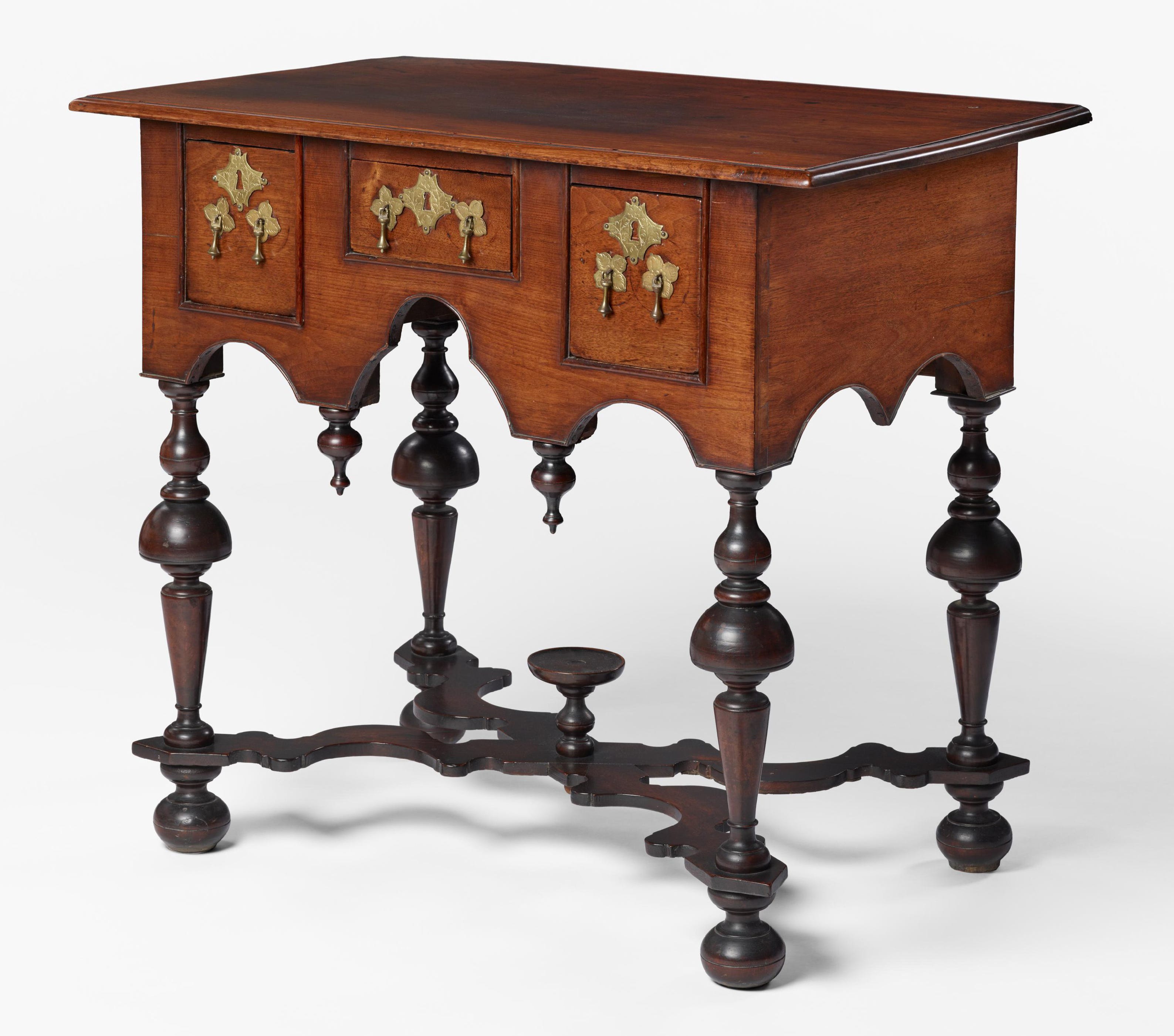
The arched design of the front rail of the PMA table is identical to the high chest; a filet has been added between the double arches at the center of the front rail of the Chipstone table. Both tables have a pair of arches on their sides.
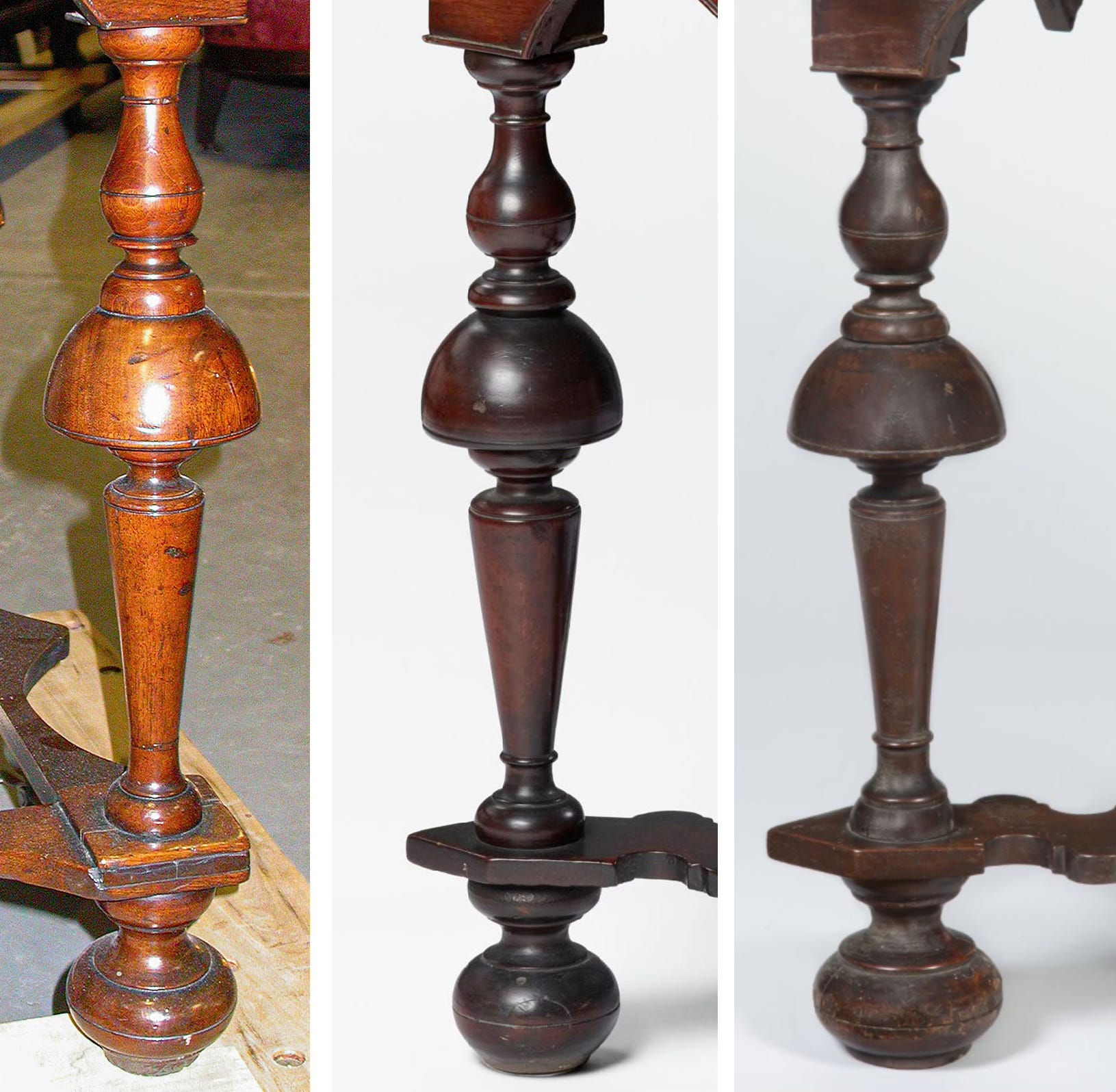
The shared design of the distinctive turned leg profile of the chest and two tables is unmistakable (fig. 4). Minor differences appear due to the nature of hand-workmanship, slight variations in prepared stock sizes, difference in height between the chest and table legs, and the time lapse between the commissions.
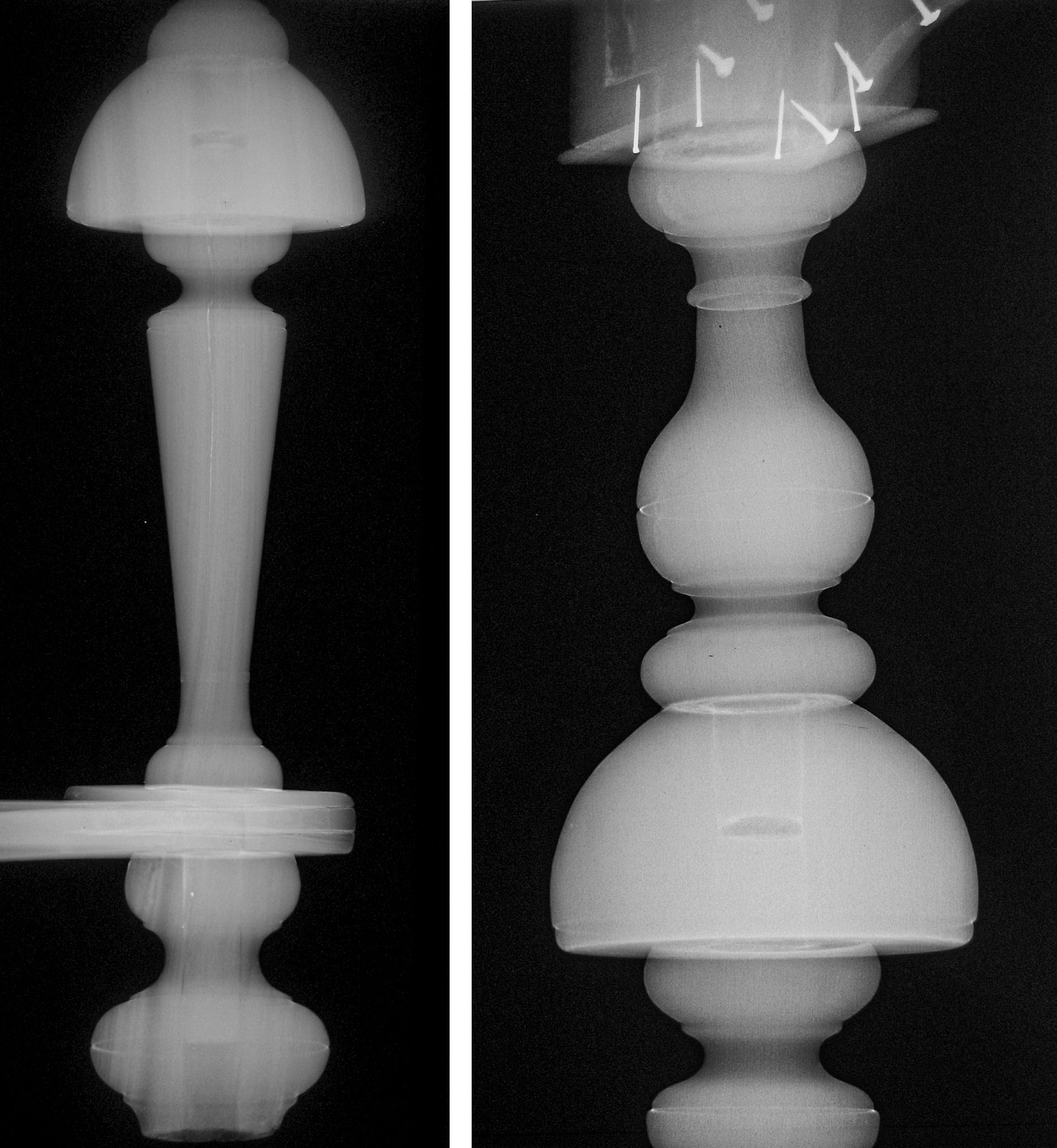
A series of x-radiographs (commonly called x-rays) of two dressing tables and two high chests were made in 1999 in the months proceeding the “Worldly Goods” exhibition at the Philadelphia Museum of Art (fig. 5). The results were used to determine condition and allow us to accurately describe details of construction. The legs of the high chest from the previous article and the tables in figs. 1 and 2 are assembled from four separate, turned elements.
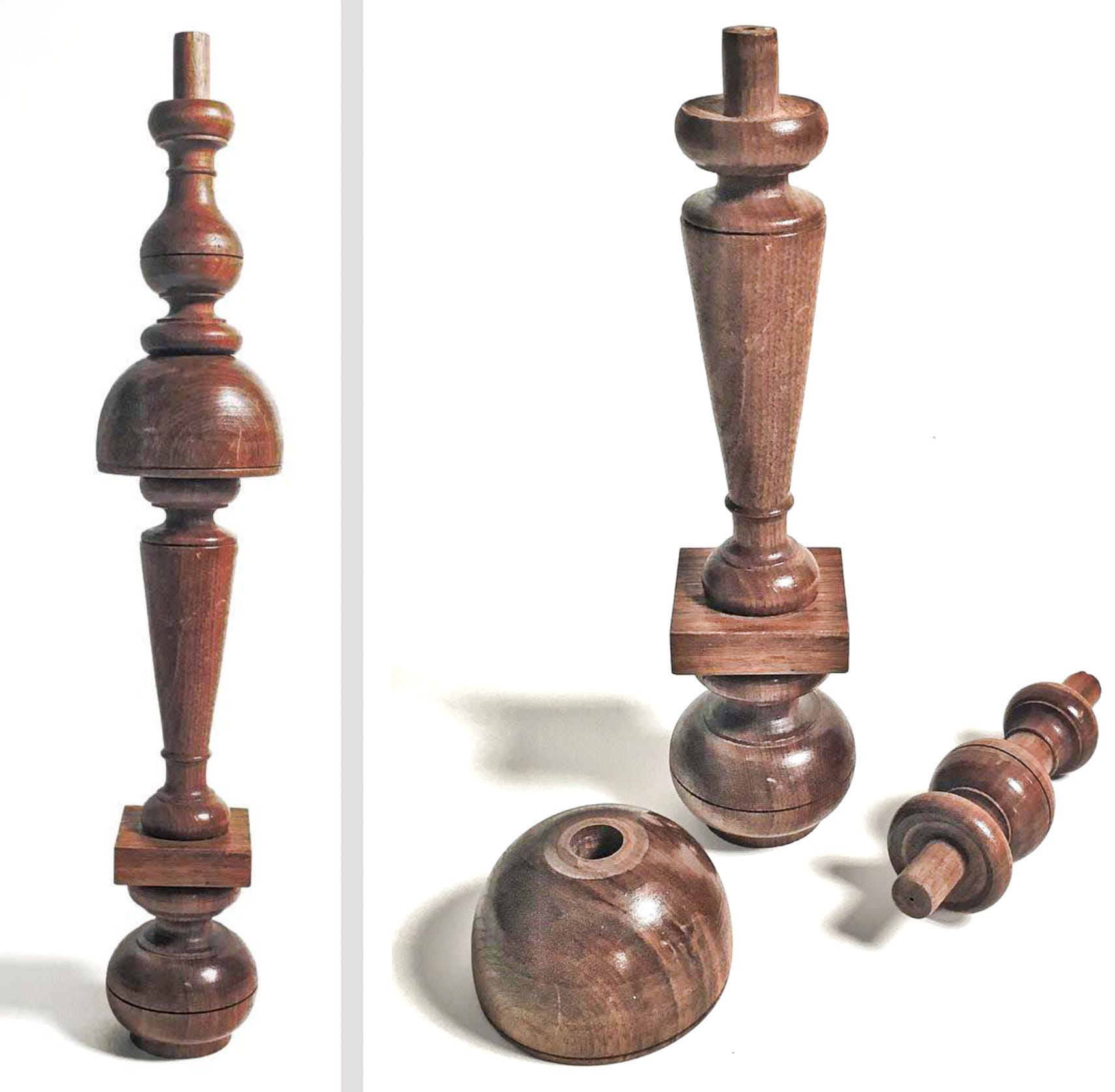
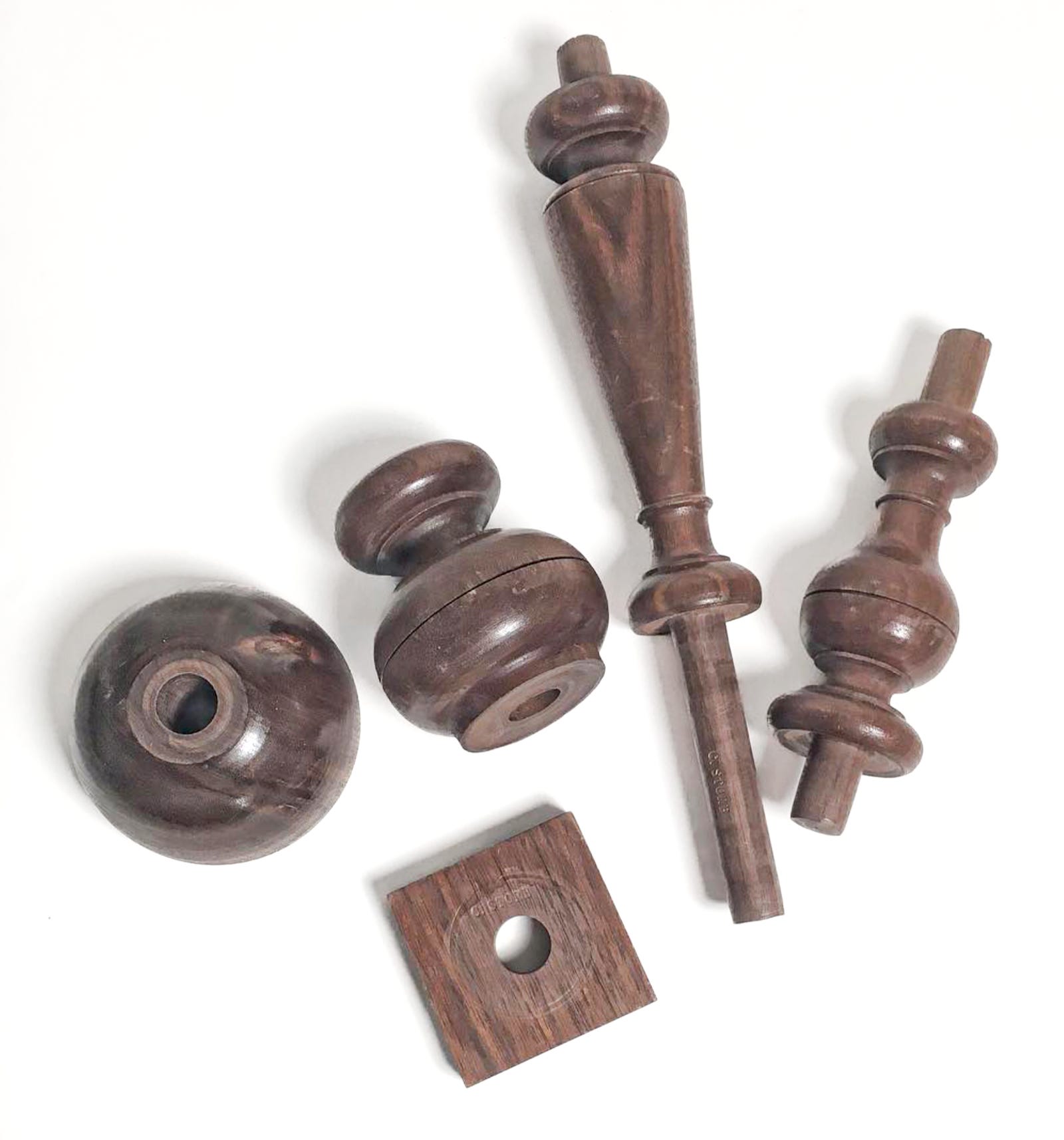
As there were many turned leg objects in the “Worldly Goods" exhibition, I made the components of the most complicated leg constructions in the exhibition, the four component, plus stretcher, legs of the dressing tables in figs. 1 &2 (figs 6 & 7) as an aid when giving tours and demonstrations in the galleries and the conservation studio. Holes bored in the inverted cup, foot, and stretcher accept the turned, round tenons of the upper baluster and long cone components.1
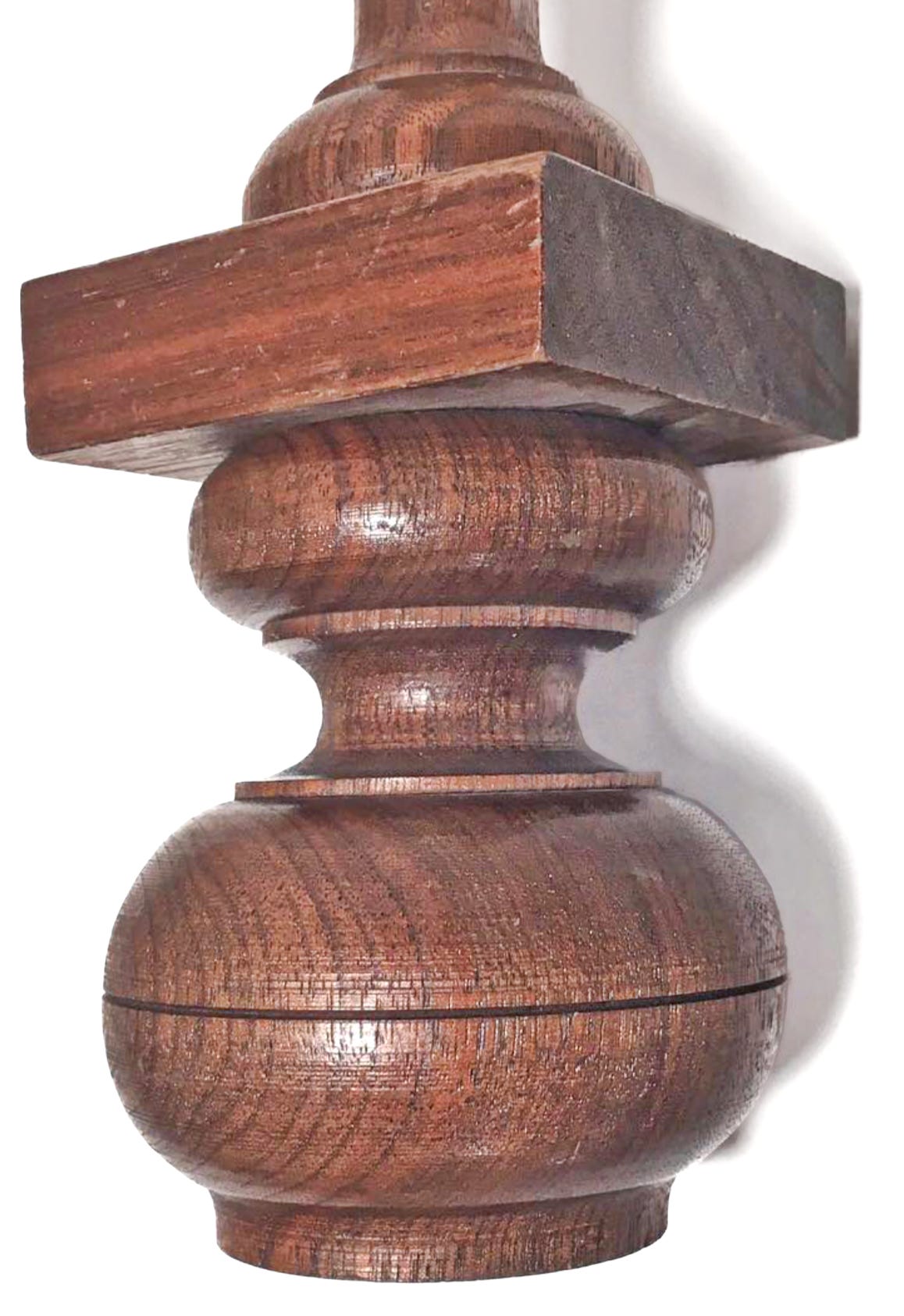
The reproduction leg is faithful to the original, turned on a relatively slow spinning lathe and left straight from the turning tools with no additional abrasive sanding, leaving the evidence of the turning tools on the wood surface.
If the turnings of these two tables can be described as “audacious,” what should be said about those stretchers? We’ll have a look at that next.
The reproduction leg has been rattling around the closet in the PMA Furniture and Woodwork studio now for 27 years, unless it’s been tossed since I last saw it in 2020.
What a feast for the eyes!
I enjoyed that.
Very nice turning work.
I suspect it was done to conserve wood. But the design of these particular legs lends itself to multiple components for several reasons I'll discuss in a follow up article. Many turned legs for stands from this time are made of just two pieces, the tall pillar, and the foot under the stretcher.
I will get to your interesting and important point about seasoning wood of these dimensions in the follow up, especially as it applies to whether the holes were bored in the components before or after they were turned.